
Our Plants
Hedging
From crisp formal yew to wildlife-rich native mixes, we supply hedging in a range of sizes, from young bare-root plants to mature specimens for an instant result. Explore our hedging below, or talk to our team about quantities for your boundary.
Large instant hedging
Extra-mature, premium, pre-formed hedges for immediate privacy and structure. Supplied in quantity for gardens, estates and commercial projects.
Value hedging
Healthy, good-quality younger plants for everyday jobs and longer runs on a budget. They cost less and knit together into a dense hedge over time.
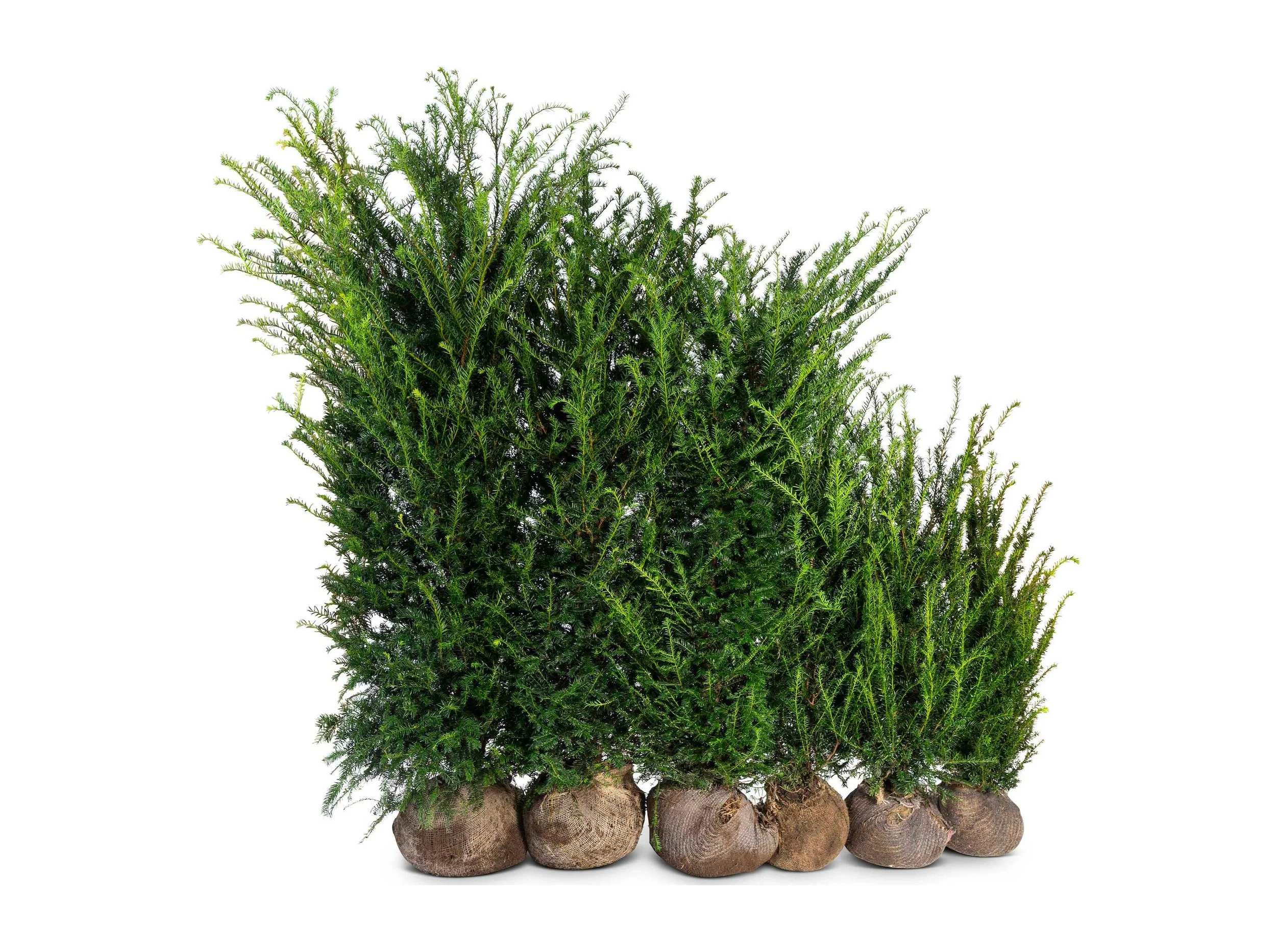




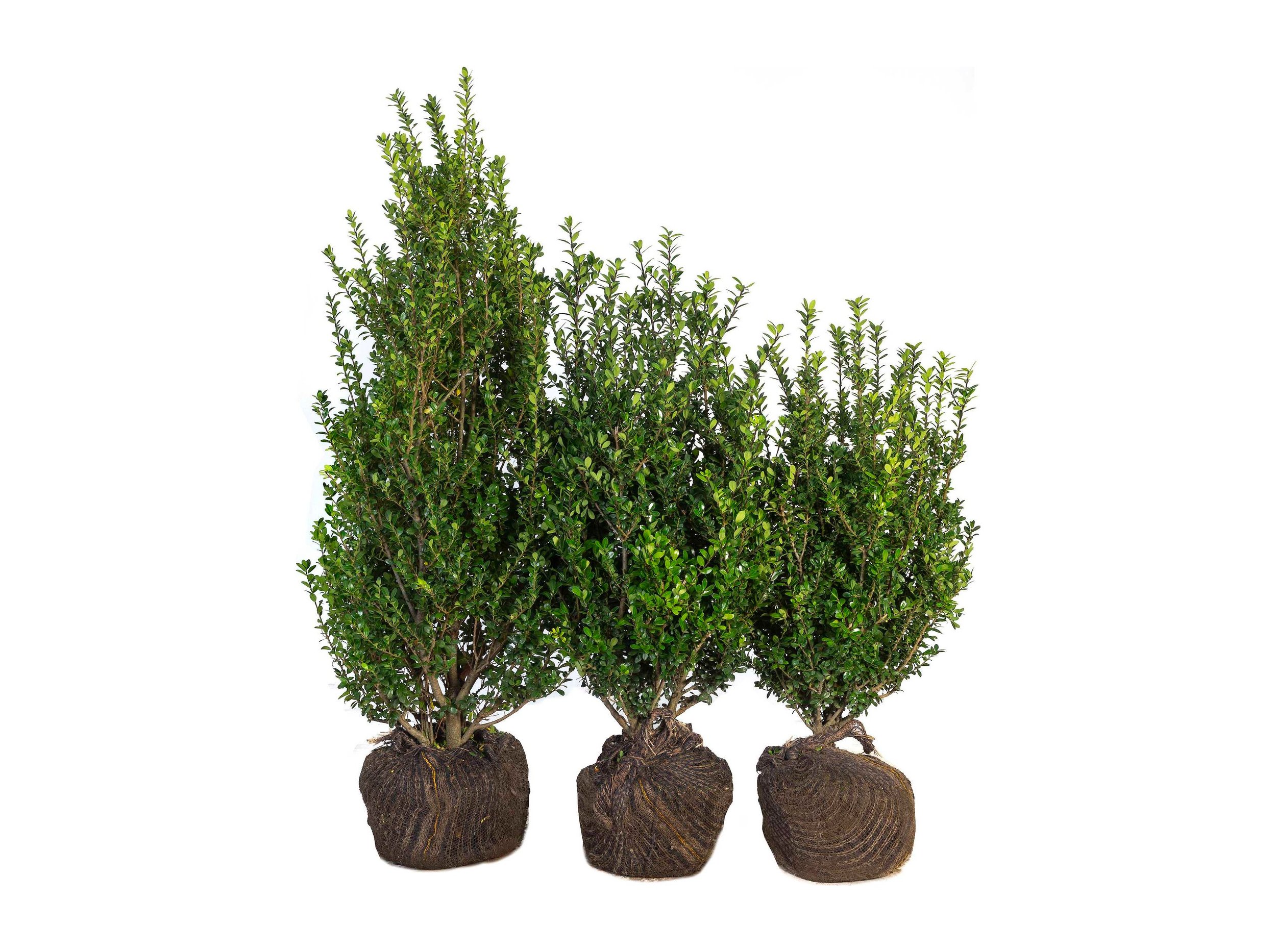

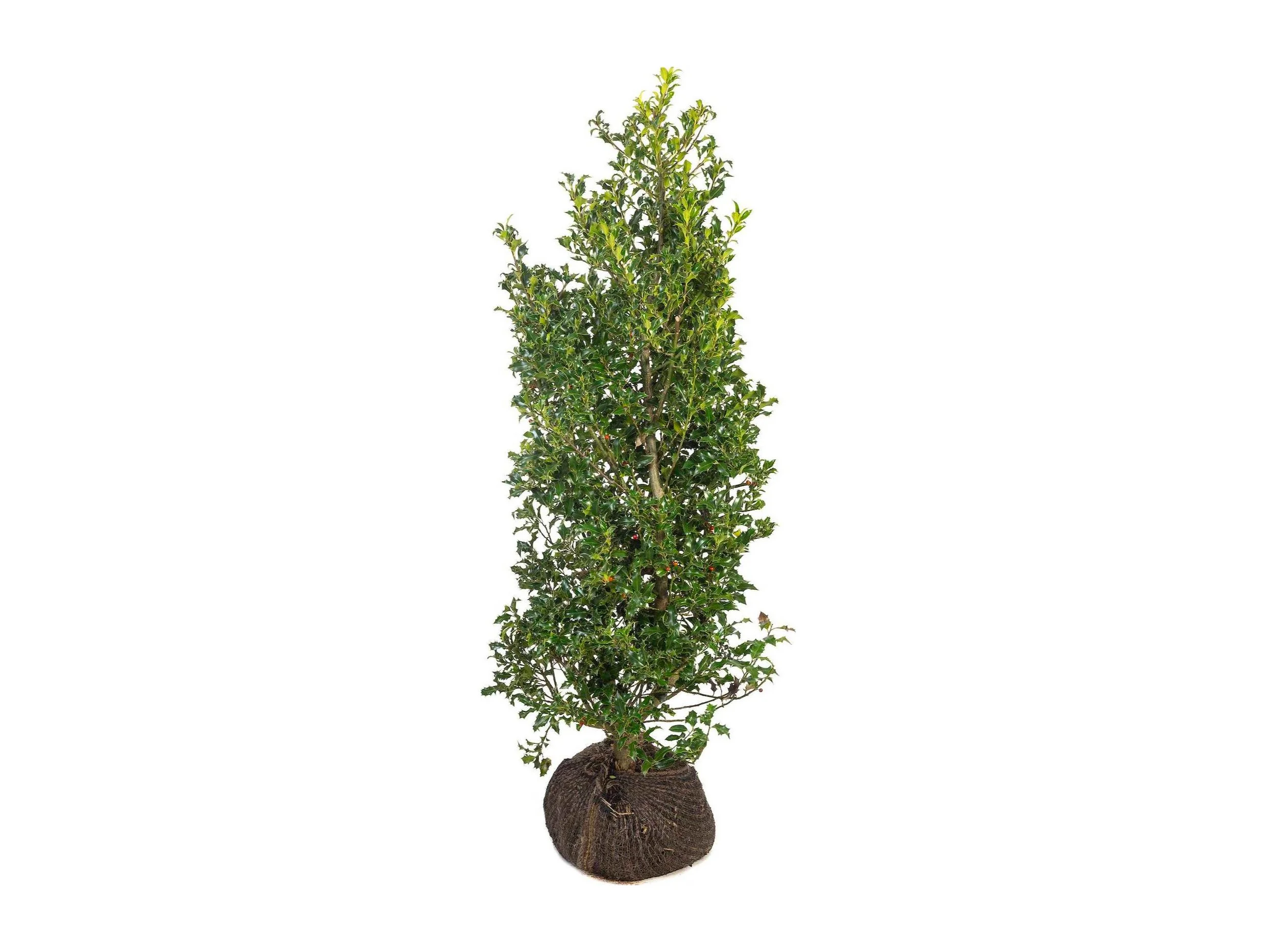

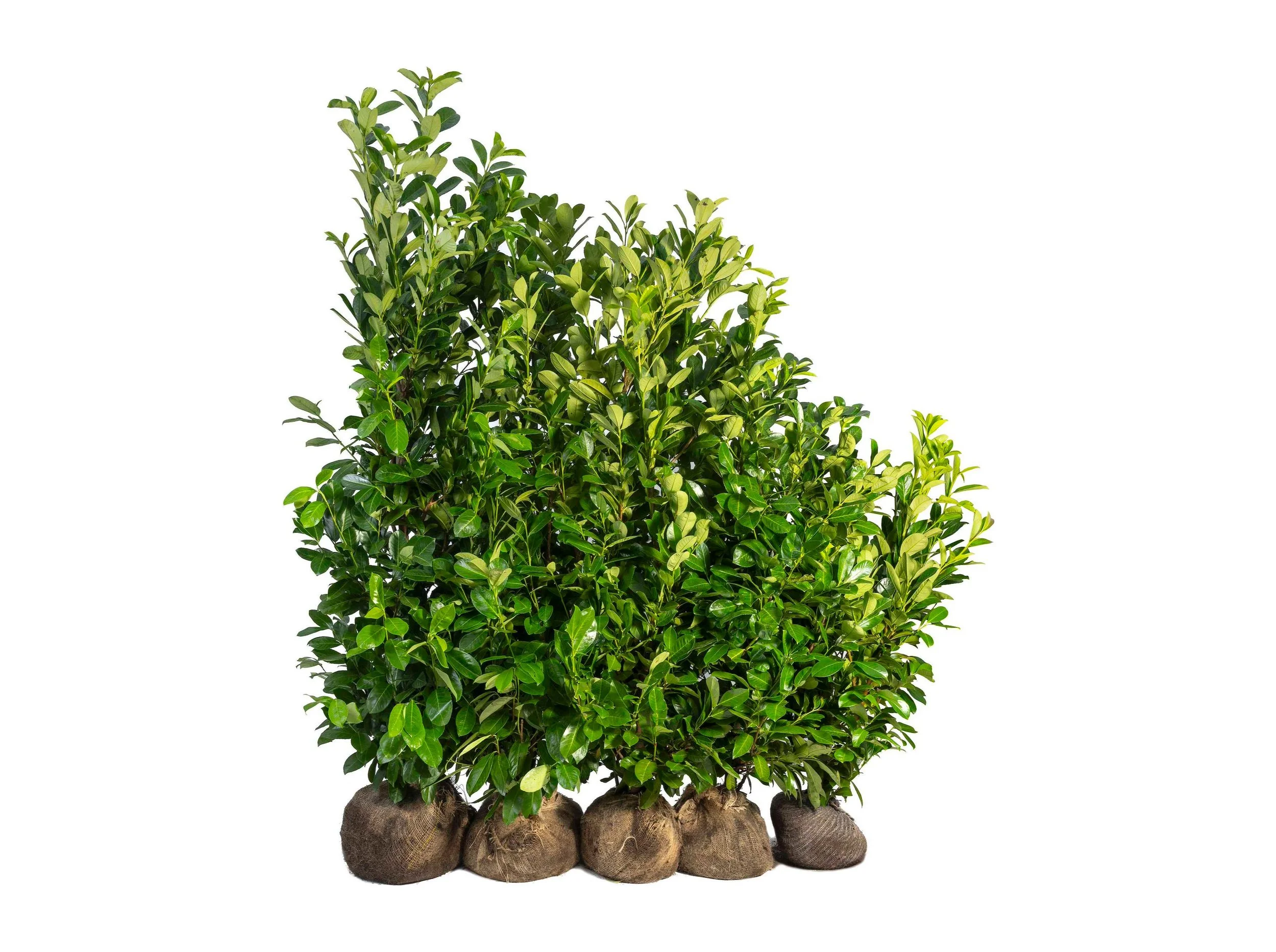
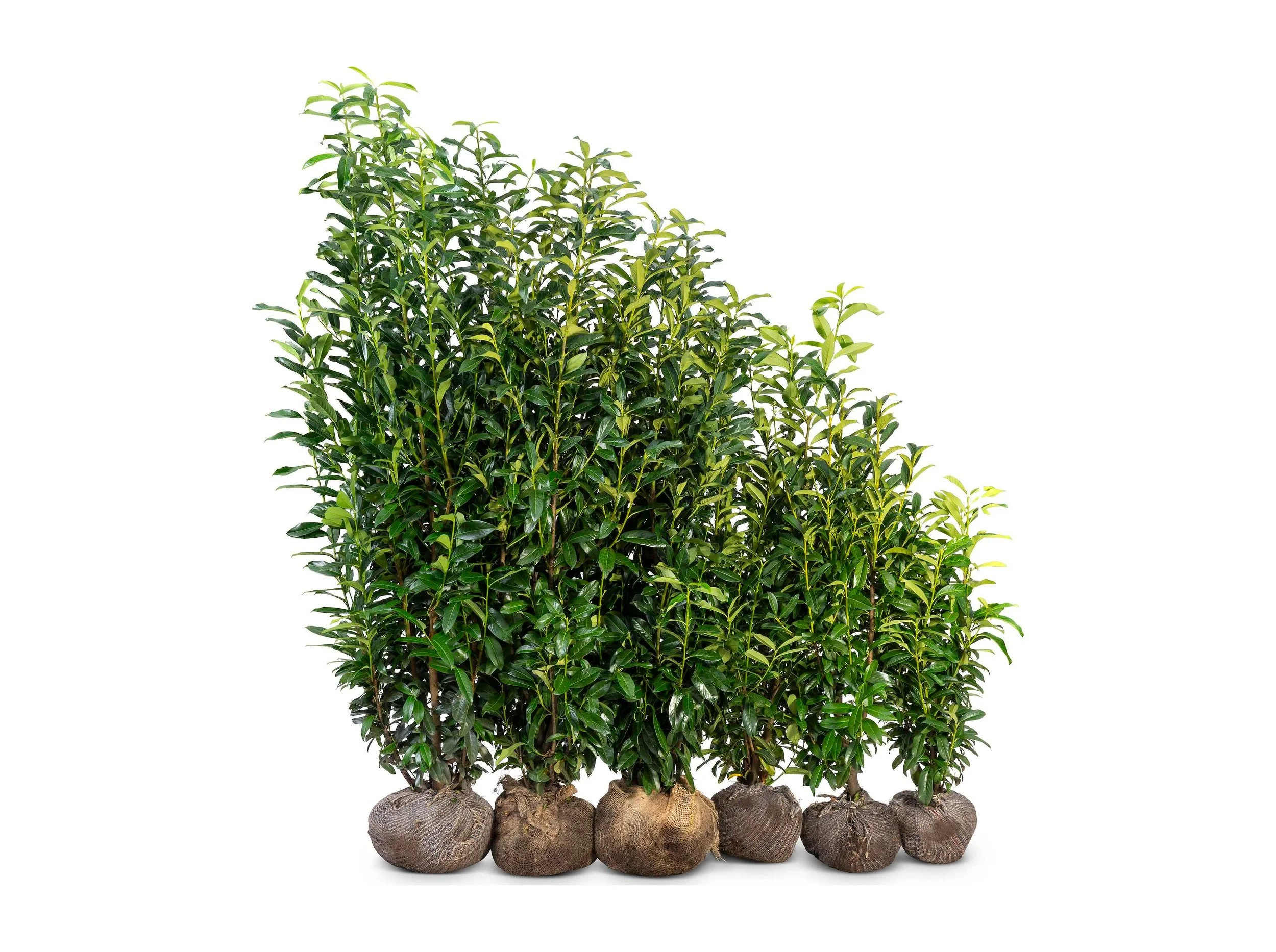
Photograph coming soon
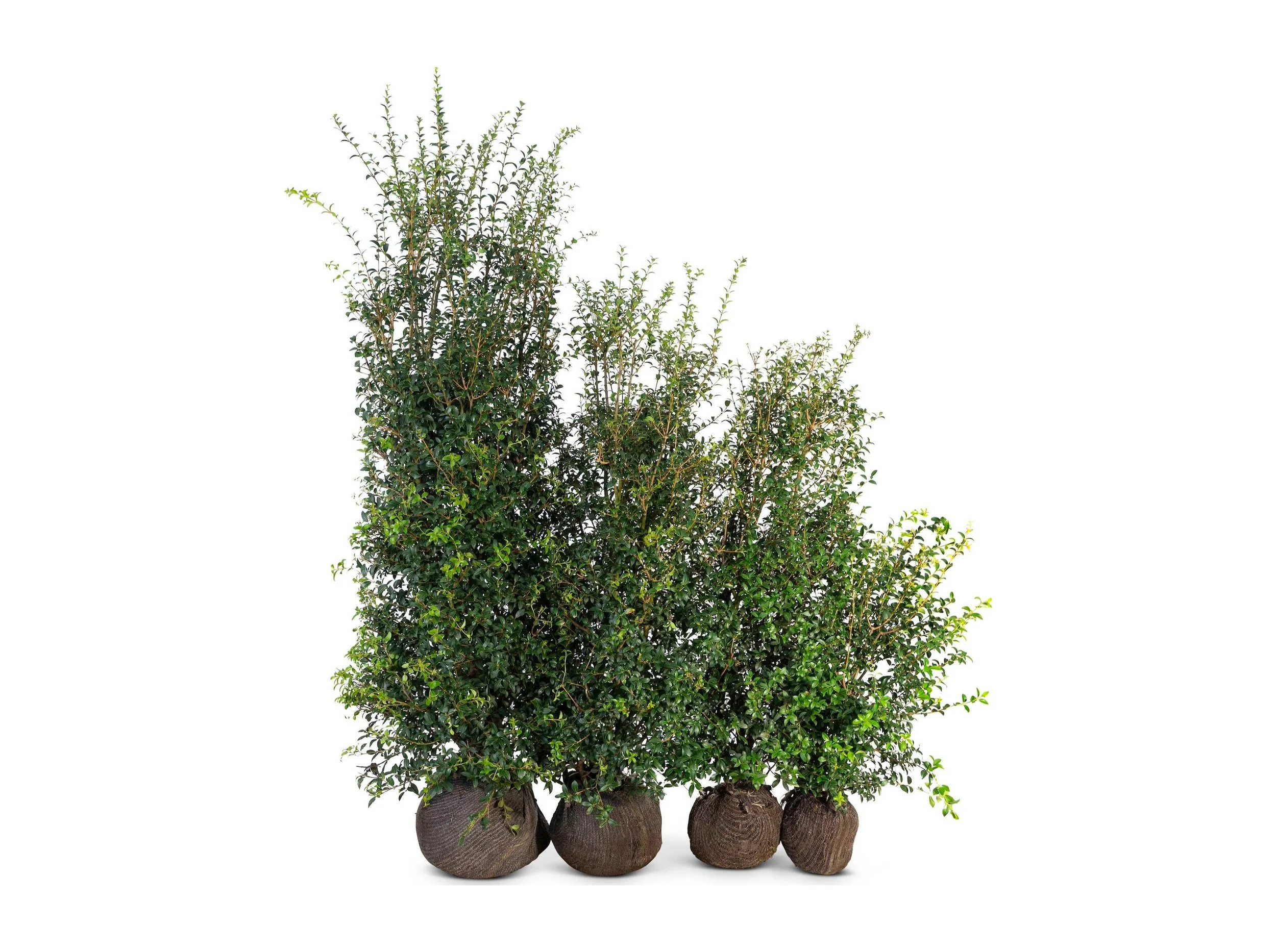
Taxus × media 'Hillii'






How to choose a hedge
The right hedge comes down to a few simple questions: do you want leaves all year, a clipped or natural look, how tall it needs to be, and what your soil, light and exposure are like. Answer those and the choice usually narrows to two or three plants. The sections below walk through each one, and the comparison table brings all our hedging plants together in one place.
Evergreen or deciduous
Evergreen hedges such as yew, holly, laurel, Thuja and Osmanthus keep their leaves all year, so they give constant privacy and a strong green backdrop in winter. Deciduous hedges such as beech, hornbeam, field maple and hawthorn change with the seasons, with fresh spring leaves and autumn colour. Clipped beech and hornbeam also hold many of their dry leaves through winter, giving a warm copper or russet screen until the new leaves push them off in spring. Wild privet sits in between, as a semi-evergreen that keeps most of its leaves in milder winters.
Formal or informal
For crisp lines and architectural shapes, choose plants that clip tightly: yew, beech, hornbeam, Portuguese laurel, Ilex crenata and Taxus × media 'Hillii'. For a softer, natural boundary that flowers and fruits, choose mixed native hedging, hawthorn, Cornus mas or a lightly trimmed holly. Many gardens combine both, with a formal hedge close to the house and a looser native hedge at the boundary.
Native hedging
Native hedging plants, such as hawthorn, field maple, holly, wild privet, hazel and blackthorn, are the best choice for wildlife and sit naturally in rural settings. Beech, hornbeam and yew are also native to parts of Britain and make excellent formal hedges. There is more on native hedges further down this page.
Height and privacy
Decide on the finished height first. Low hedges of 30 to 80cm edge paths and parterres, hedges of 1.2 to 1.5m (4 to 5 ft) divide spaces without blocking views, and hedges of 1.8 to 2m (6 to 6.5 ft) give full privacy, about the height of a standard garden fence. For screening above a fence line, look at tall root-balled hedging plants or pleached trees, which give a screen on clear stems. If you want privacy straight away, buy plants at or close to the finished height, or choose instant hedging.
Soil
Most hedging plants grow in any reasonable, well-drained soil. On heavy clay or ground that stays damp, hornbeam, hawthorn, field maple and native mixes are the most reliable, while beech and yew prefer better drainage. On chalk, beech, yew, field maple, Portuguese laurel, privet and Osmanthus all do well. Ilex crenata prefers neutral to acid soil that stays moist.
Shade
For shady spots, yew, holly, cherry laurel and Portuguese laurel are the strongest choices, and all of them grow well under the canopy of larger trees provided they are watered while establishing. Hornbeam and beech cope with part shade. Flowering hedges such as hawthorn and Cornus mas grow in part shade but flower best in sun.
Exposure
On windy, exposed or hilltop sites, hornbeam, hawthorn, field maple, holly and native mixes are tough and reliable. Smaller plants usually establish faster in exposed positions than very large ones, and a temporary windbreak helps larger root-balled plants settle in.
Speed
Cherry laurel, Thuja occidentalis 'Brabant', privet and hawthorn are the fastest, often growing 30 to 60cm a year once established. Beech, hornbeam and field maple are moderate. Yew, holly, Ilex crenata and Osmanthus are slower, but they make dense, long-lived hedges that need less clipping. If speed matters most, buying a larger size is often a better answer than choosing a faster plant.
Quick picks
- Best formal evergreen: yew hedging.
- Best formal deciduous: beech hedging on well-drained soil, hornbeam hedging on clay.
- Quickest evergreen screen: cherry laurel or Thuja 'Brabant'.
- Low hedges and edging: Ilex crenata, a reliable alternative to box.
- Wildlife: mixed native hedging.
- Security: holly or hawthorn.
- Scent and flowers: Osmanthus × burkwoodii in spring, Cornus mas in late winter.
Our hedging plants compared
Each name links to its own page, with sizes, live prices and a full planting guide.
| Hedge | Evergreen or deciduous | Growth | Best for | Soil |
|---|---|---|---|---|
| Taxus baccata (yew) | Evergreen | Slow to moderate, 20 to 30cm a year | Formal hedges, year-round structure, sun or shade | Any well-drained soil, including chalk; dislikes waterlogging |
| Taxus × media 'Hillii' | Evergreen | Slow to moderate | Dense, upright formal hedges | Any well-drained soil, including chalk |
| Fagus sylvatica (beech) | Deciduous, holds copper leaves in winter when clipped | Moderate, 30 to 60cm a year | Formal hedges with seasonal colour | Well-drained soil, excellent on chalk; dislikes heavy wet clay |
| Fagus sylvatica 'Atropunicea' (copper beech) | Deciduous, holds leaves in winter when clipped | Moderate, 30 to 60cm a year | Rich purple foliage, contrast hedges | Well-drained soil, including chalk |
| Carpinus betulus (hornbeam) | Deciduous, holds some leaves in winter when clipped | Moderate, 30 to 60cm a year | Formal hedges, heavy clay, exposed sites | Most soils, including heavy clay and damp ground |
| Acer campestre (field maple) | Deciduous | Moderate to fast, 30 to 60cm a year | Native hedges, golden autumn colour | Almost any, excellent on chalk and clay |
| Mixed native hedging | Mostly deciduous, holly for winter cover | Fast once established | Wildlife, rural boundaries, long runs | Almost any soil |
| Ilex aquifolium (holly) | Evergreen | Slow | Security, shade, winter berries | Most well-drained soils, sun or shade |
| Ilex 'Nellie R. Stevens' | Evergreen | Moderate | Glossy screening with berries, fewer spines | Most well-drained soils |
| Ilex crenata (Japanese holly) | Evergreen | Slow | Low hedges, box alternative, edging | Moist, well-drained, best neutral to acid |
| Prunus laurocerasus 'Rotundifolia' (cherry laurel) | Evergreen | Fast, 30 to 60cm a year | Quick, dense privacy screens, shade | Most soils that are not waterlogged |
| Prunus laurocerasus 'Genolia' | Evergreen | Moderate to fast | Narrow, upright screens where space is tight | Most soils that are not waterlogged |
| Prunus lusitanica 'Angustifolia' (Portuguese laurel) | Evergreen | Moderate | Elegant formal hedges, dry and chalky sites | Most well-drained soils, including chalk |
| Thuja occidentalis 'Brabant' | Evergreen conifer | Fast | Tall screens at a budget-friendly price | Moist but well-drained soil |
| Thuja occidentalis 'Smaragd' | Evergreen conifer | Slow to moderate | Narrow, neat screens needing little clipping | Moist but well-drained soil |
| Osmanthus × burkwoodii | Evergreen | Slow | Scented spring flowers, low to medium hedges | Most well-drained soils, including chalk |
| Crataegus monogyna (hawthorn) | Deciduous | Fast, 30 to 60cm a year | Stockproof, security and wildlife hedges | Almost any, including clay and wet ground |
| Ligustrum vulgare (wild privet) | Semi-evergreen | Fast | Quick native hedges, town gardens | Almost any, including chalk |
| Cornus mas (Cornelian cherry) | Deciduous | Moderate | Winter flowers and edible fruit | Most well-drained soils, including chalk |
Value and Premium hedging
We sell hedging in two tiers, so you can spend where it makes the most difference.
- Value hedging is healthy, good-quality younger plants, supplied bare root, root-balled or pot grown. It is ideal for everyday jobs and longer runs on a budget, and the plants knit together into a dense hedge over a few growing seasons.
- Premium hedging is fuller, more mature, wider root-balled plants and ready-made hedge elements, for a finished hedge on the day it is planted.
Many projects use both: Premium hedging close to the house or terrace, where privacy and a finished look matter most, and Value hedging along longer boundaries where there is time for it to grow.
Bare root, root ball, pot grown or instant hedge elements
- Bare root: young plants grown in the field and lifted while dormant, supplied without soil or a pot. The most economical choice, available roughly November to March, and ideal for long hedges and native mixes.
- Root ball: field-grown plants lifted with their soil wrapped around the roots. Larger and more established than bare-root plants, supplied in the dormant season, and the usual format for yew, holly and larger beech and hornbeam.
- Pot grown: plants grown in containers, which can be planted at almost any time of year as long as they are watered well.
- Instant hedge elements: hedges grown for years and clipped into a ready-formed block, usually 1 m long, that you plant end to end for a finished hedge straight away. See instant hedging.
When to plant a hedge
- Bare root: roughly November to March, while plants are dormant.
- Root ball: roughly October or November to March.
- Pot grown: all year round, with regular watering in spring and summer.
- Instant hedge elements: most of the year, avoiding frozen ground and periods of drought, with careful watering in warm weather.
Autumn is the ideal time for most hedges, because the soil is still warm and moist and roots grow through winter ready for spring.
How many hedging plants per metre?
The number of plants per metre depends on how wide the plants are supplied: 100 divided by the width in cm. So a plant 50cm wide is planted at 2 per metre, a plant 33cm wide at 3 per metre and a plant 25cm wide at 4 per metre. Narrow bare-root whips go much closer, often around 5 per metre in a staggered double row for native and wildlife hedges. Instant hedge elements are 1 m long, so you need one per metre. The team confirms spacing and quantities for every order.
Planting and aftercare in brief
- Mark the line with a string and clear grass and perennial weeds from a strip about 1 m wide.
- Dig a trench about 60cm wide and deep enough for the roots or root ball, and loosen the base.
- Improve heavy clay or very free-draining soil with well-rotted organic matter.
- Soak bare-root plants for an hour and keep roots covered until planting.
- Plant at the depth the plant grew, backfill, firm gently and water in thoroughly.
- Mulch along the row, and stake or shelter larger plants on windy sites.
For the first two summers, water deeply once a week in dry weather and keep a weed-free strip along the base. Most formal hedges are clipped once or twice a year from late summer, and native hedges are best cut in winter. Each plant page has a full guide.
Native hedging
A native hedge is one of the best things you can plant for wildlife. Our mixed native hedging combines hawthorn, blackthorn, field maple, hazel, guelder rose, dog rose and holly, tailored to your soil. Together they give spring blossom for pollinators, autumn berries and nuts, and thick cover for nesting birds. Plant bare root between November and March in a staggered double row, and cut in winter, outside the bird nesting season, which generally runs from March to August. It is an offence to intentionally damage or destroy an active nest, so always check before cutting. Single-species native hedges of hawthorn, field maple, holly or wild privet are also good for wildlife while giving a more uniform look.
How to order hedging from Form Plants
Choose your plants and sizes on each plant's page and add them to your basket. There is no payment online: when you send your basket, the team checks availability, confirms sizes, spacing and delivery, and then sends you an invoice. Trade customers can log in to the Trade Zone for trade prices, or apply for a trade account.
- See hedging in person at our Row Town showroom in Surrey, open Monday to Saturday and on bank holidays, and closed on Sundays.
- Book a Genus Bar appointment for help with plant choice, quantities and planting plans.
- Nothing we sell contains new peat.
- Our in-house team arranges delivery nationwide, with HIAB or Moffett offloading for larger plants.
- Questions? Email info@formplants.com.
Frequently asked questions
What is the best hedge for privacy?
For year-round privacy, evergreen hedges are the best choice, especially yew, cherry laurel, Portuguese laurel, holly and Thuja. Beech and hornbeam also give good privacy in winter when clipped, because they hold many of their dry leaves. For privacy straight away, buy plants at or close to the finished height, or choose instant hedging.
What is the fastest growing hedge?
Cherry laurel, Thuja occidentalis 'Brabant', privet and hawthorn are among the fastest growing hedges, often growing 30 to 60cm a year once established. Beech, hornbeam and field maple grow at a moderate rate, while yew and holly are slower but very dense and long lived. Buying a larger size is often the quickest route to the height you want.
What is the best evergreen hedge?
Yew (Taxus baccata) is widely considered the finest evergreen hedge for formal gardens, because it clips beautifully, grows in sun or shade and lives for centuries. Portuguese laurel is an elegant alternative with glossy leaves, cherry laurel is quicker for large screens, and Ilex crenata is ideal for low hedges in place of box.
What hedge grows best in shade?
Yew, holly, cherry laurel and Portuguese laurel are the best hedges for shade, and all grow well even under larger trees once established. Hornbeam and beech cope with part shade. Flowering hedges grow in part shade but flower best in sun.
When is the best time to plant a hedge?
Autumn and winter, while plants are dormant, is the best time to plant most hedges. Bare-root hedging is planted roughly November to March and root-balled hedging from around October or November to March. Pot-grown plants and instant hedge elements can be planted through more of the year with careful watering.
How many hedging plants do I need per metre?
Plants per metre depends on how wide the plants are supplied: 100 divided by the width in cm, so plants 50cm wide go in at 2 per metre and plants 25cm wide at 4 per metre. Bare-root whips for native hedges are usually planted at around 5 per metre in a staggered double row. Instant hedge elements are 1 m long, so you need one per metre, and the team confirms quantities for every order.
What is the difference between bare root and root ball hedging?
Bare-root hedging is lifted from the field while dormant and supplied without soil, which makes it the most economical option for long hedges. Root-balled hedging is lifted with a ball of soil around the roots, so the plants can be larger and more established. Both are planted in the dormant season, roughly from autumn to March.
What is the best native hedge for wildlife?
A mixed native hedge of hawthorn, blackthorn, field maple, hazel, guelder rose, dog rose and holly is the best hedge for wildlife, because it gives flowers, fruit and cover across the year. Cutting it in winter, every two or three years or one side at a time, leaves more flowers and berries for birds and insects.
How much does a hedge cost?
The cost of a hedge depends on the plant, the height, the format and the tier you choose. Value hedging uses younger bare-root, root-balled or pot-grown plants for an affordable hedge that fills in over a few seasons, while Premium hedging uses fuller, mature plants and ready-made elements for a finished look straight away. Live prices are shown on each plant's page, and the team confirms the final price for each order.
How do I order hedging from Form Plants?
Add the plants and sizes you want to your basket on each plant's page and send it to us. There is no payment online: the team checks availability, confirms sizes, spacing and delivery, and then sends an invoice. You can also email info@formplants.com or book a Genus Bar appointment for help.
Can I see the hedging before I buy it?
Yes. You are welcome to visit our Row Town showroom in Surrey, open Monday to Saturday and on bank holidays and closed on Sundays, to see hedging in person. You can also book a Genus Bar appointment at formplants.com/genus-bar for dedicated one-to-one time with the team to plan quantities and sizes.
Do you deliver hedging?
Yes, our in-house team arranges delivery nationwide. Larger root-balled plants and hedge elements can be offloaded by HIAB or Moffett crane where needed, and the team quotes delivery for each order based on the plants and the location.
Choose yours in person
Walk in to our Row Town showroom any time during opening hours, or book a Genus Bar appointment. Our nursery is very well stocked, but stock varies through the seasons, so please get in touch before you visit and we will check availability for you.
Explore all our plants
Trees · Multi-stem trees · Pleached trees · Standard trees · Parasol trees · Topiary · Hedging · Instant hedging · Shrubs · Perennials · Bespoke sourcing · Contract growing
Can’t see what you’re looking for?
Get in touch and we’ll help you find it. Our nursery is very well stocked and we can source almost any plant through our network of trusted growers. Email info@formplants.com, or send us your whole plant list through our bespoke sourcing service.