
Hedging
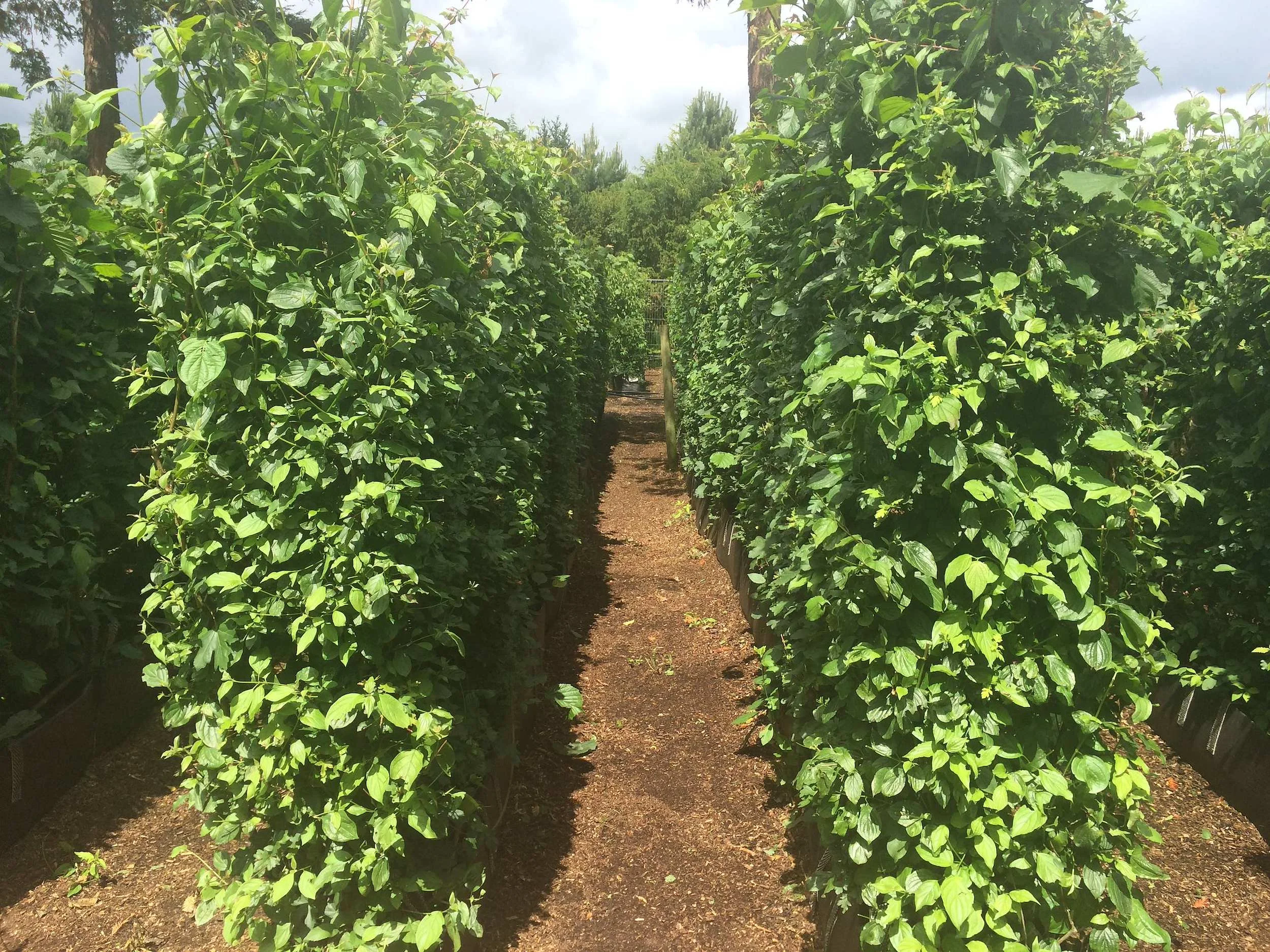
Mixed native hedging
A wildlife-rich blend of British natives
Blossom, berries, nesting sites and changing colour through the seasons. Our mixed native hedging brings the beauty and biodiversity of the British countryside to your boundary.
A blend of native species, chosen for your site
Spring blossom and autumn berries
Outstanding food and shelter for wildlife
Informal and naturalistic, or neatly trimmed
Please check before you visit. Our nursery is very well stocked, but what we hold changes with the seasons, so this plant may not always be in stock. Enquire before you head over and we will check availability and the sizes we have for you.
At a glance
Type
Hedging
Foliage
Mainly deciduous, with optional evergreen holly
Seasons of interest
Spring blossom, autumn berries and colour
Growth rate
Moderate to fast
Hedge height
Suits hedges from about 1.2 m to 3 m
Position
Full sun or partial shade
Soil
Most soils
Hardiness
Fully hardy in the UK
Available
A range of sizes, from smaller plants to mature specimens for an instant result. Ask our team for current availability and pricing.
Why we love native hedging
If you want a hedge that gives back to nature, plant a mix of natives. Blackthorn flowers white on bare stems in March, hawthorn follows with May blossom, and by autumn the hedge is full of haws, hips, sloes and nuts, with guelder rose hung with glossy red berries.
Every plant earns its place. Hawthorn is the backbone, usually around half the mix, because it is quick, tough and dense. We tailor the proportions to your soil, so a damp site might take more guelder rose and a chalky one more field maple.
Choosing a size
Most native hedges start as bare-root whips, young plants lifted from the field while dormant. They are the most economical way to plant a long boundary. Whips of 40 to 60cm or 60 to 90cm are traditional, and 90 to 120cm gives you a head start. For height from day one, blend in root-balled plants at 150 to 175cm.
For whips, plan on around 5 per metre in a staggered double row: two rows 40 to 50cm apart, plants about 40cm apart along each, the second row sitting in the gaps of the first. On a narrow boundary, a single row at 3 to 4 per metre works too. Larger plants follow the usual rule: divide 100 by the width in centimetres, so a 50cm wide plant goes in at 2 per metre. The calculator above works it out for you, and the team will check the spacing on every order.
Planting
Plant between November and March, whenever the ground isn't frozen or waterlogged. Clear a strip about 1m wide first, because young hedging hates competing with grass and perennial weeds. Soak bare roots in water for an hour, mix the species randomly along the row, and plant each whip at the soil mark on its stem. Firm in, water well and mulch with peat-free mulch.
Looking after it
Keep a weed-free strip at least 50cm wide along the base for the first two or three years, and water deeply in dry spells for the first two summers. After that it looks after itself, with no feeding needed, and it's usually dense and stockproof within three to five years.
Cut in winter, outside the nesting season that generally runs from March to August, and always check for active nests first, as damaging one is an offence. Trim lightly for the first two winters, then aim for an A shape, wider at the base than the top.
Good for wildlife
The variety is what makes it so rich: blossom for early pollinators, berries and nuts for birds and small mammals, and thorny cover for nesting all year. Once it's established, cut every two or three years, or one side at a time, and you'll leave far more flowers and fruit for wildlife.
See it in person
Every plant at Form is hand-selected, none contains new peat, and nothing beats choosing yours by eye. Visit our Row Town showroom in Surrey, just 30 minutes from London, where our team will show you the best of what is on the nursery right now. We deliver across London, Surrey and the Home Counties, and nationwide.
Walk in any time during opening hours and you will be looked after. If you would like dedicated time with a specialist, book a Genus Bar appointment.

Frequently asked questions
-
A typical native hedge mix includes hawthorn (Crataegus monogyna), blackthorn (Prunus spinosa), field maple (Acer campestre), hazel (Corylus avellana), guelder rose (Viburnum opulus), dog rose (Rosa canina) and holly (Ilex aquifolium). Hawthorn usually forms the backbone of the mix, and the other species add flowers, fruit, autumn colour and winter cover. Form tailors the proportions to your soil and site.
-
For bare-root native whips, around 5 plants per metre in a staggered double row is the usual guide, with the two rows about 40 to 50cm apart. A single row at 3 to 4 per metre works on a narrow boundary. Larger plants are spaced by width, at 100 divided by the width in cm, and the team confirms quantities for each order.
-
The best time to plant a native hedge is in the dormant season, roughly November to March, when bare-root whips are available. Plant whenever the ground is not frozen or waterlogged. Pot-grown native plants can go in at other times of year with regular watering.
-
Cut a native hedge in winter, between late autumn and late winter, to avoid the bird nesting season, which generally runs from March to August. It is an offence to intentionally damage or destroy an active nest, so always check before cutting. Cutting every two or three years, or one side at a time, leaves more flowers and berries for wildlife.
-
Cutting a hedge is not automatically illegal in spring and summer, but under the Wildlife and Countryside Act 1981 it is an offence to intentionally damage or destroy an active bird's nest. The safest approach is to cut native hedges in winter and check carefully for nests if any trimming is needed between March and August. Farmers follow additional legal rules on hedge cutting dates.
-
Once established, vigorous native species such as hawthorn and blackthorn often grow 30 to 60cm a year. A native hedge planted from bare-root whips usually becomes thick and stockproof within three to five years. Good weed control and watering in the first two summers help it establish quickly.
-
A mixed native hedge is the best wildlife hedge because the variety of species gives blossom, berries, nuts and cover across the whole year. Hawthorn, blackthorn, hazel, guelder rose, dog rose, field maple and holly together support pollinators, birds and small mammals. Letting the hedge grow thick and cutting it in winter every two or three years makes it even better for wildlife.
-
A staggered double row gives the thickest, most wildlife-friendly native hedge, which is why it is the traditional choice for countryside and boundary hedges. A single row uses fewer plants and suits narrower garden spaces. The team can advise which is best for your site and confirm quantities.
-
Yes, native hedging grows on almost all soils, including heavy clay and chalk. Hawthorn, field maple and blackthorn are especially adaptable, while guelder rose and hazel enjoy moister ground. Form can tailor the species mix to suit your soil.
-
A mixed native hedge is mostly deciduous, so it is more open in winter, although holly in the mix gives evergreen cover. If you need year-round screening, you can add more holly or plant an evergreen hedge such as yew where privacy matters most. Clipped hawthorn also forms a dense twiggy screen even in winter.
-
The cost of a native hedge depends on the height, the format and the tier you choose. Value hedging uses younger bare-root, root-balled or pot-grown plants for an affordable hedge that knits together over a few seasons, while Premium hedging uses fuller, more mature plants and ready-made hedge elements for a finished look straight away. Live prices for each size are shown on this page, and the team confirms the spacing and final price for every order.
-
Yes. You are welcome to visit our Row Town showroom in Surrey, open Monday to Saturday and on bank holidays and closed on Sundays, to see hedging in person. You can also book a Genus Bar appointment at formplants.com/genus-bar for dedicated one-to-one time with the team to plan quantities and sizes.
All our hedging
Explore every option in our hedging collection, or view them all with photographs →
Mixed native hedging
Can’t see what you’re looking for?
Get in touch and we’ll help you find it. Our nursery is very well stocked and we can source almost any plant through our network of trusted growers. Email info@formplants.com, or send us your whole plant list through our bespoke sourcing service.