

About
Sustainability
Our approach
Growing for a changing climate
As growers, we look after living things, and we see the effects of a changing climate every season, from winter flooding to summer drought. Horticulture is not yet as sustainable as it should be, and nor are we. This page sets out what we do now, where we still have work to do, and what we have committed to.
Our directors and management take responsibility for sustainability, and our written sustainability statement is shared with every member of the team.
100%
peat-free in all our own growing
35
new trees along our nursery boundary
2028
launch of our apprenticeship scheme
2030
no dependency on nurseries abroad
Our commitment
Proudly peat-free
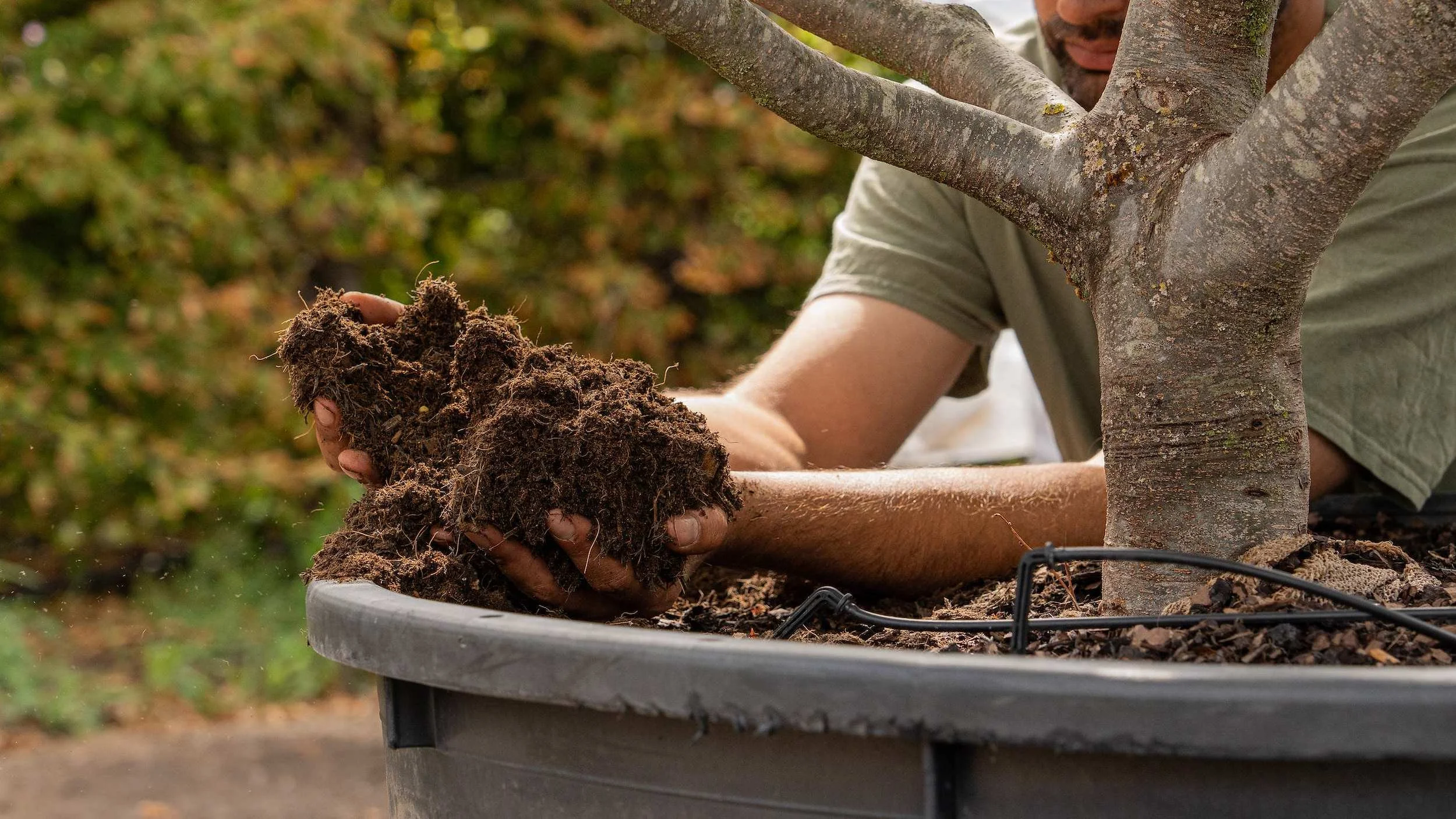
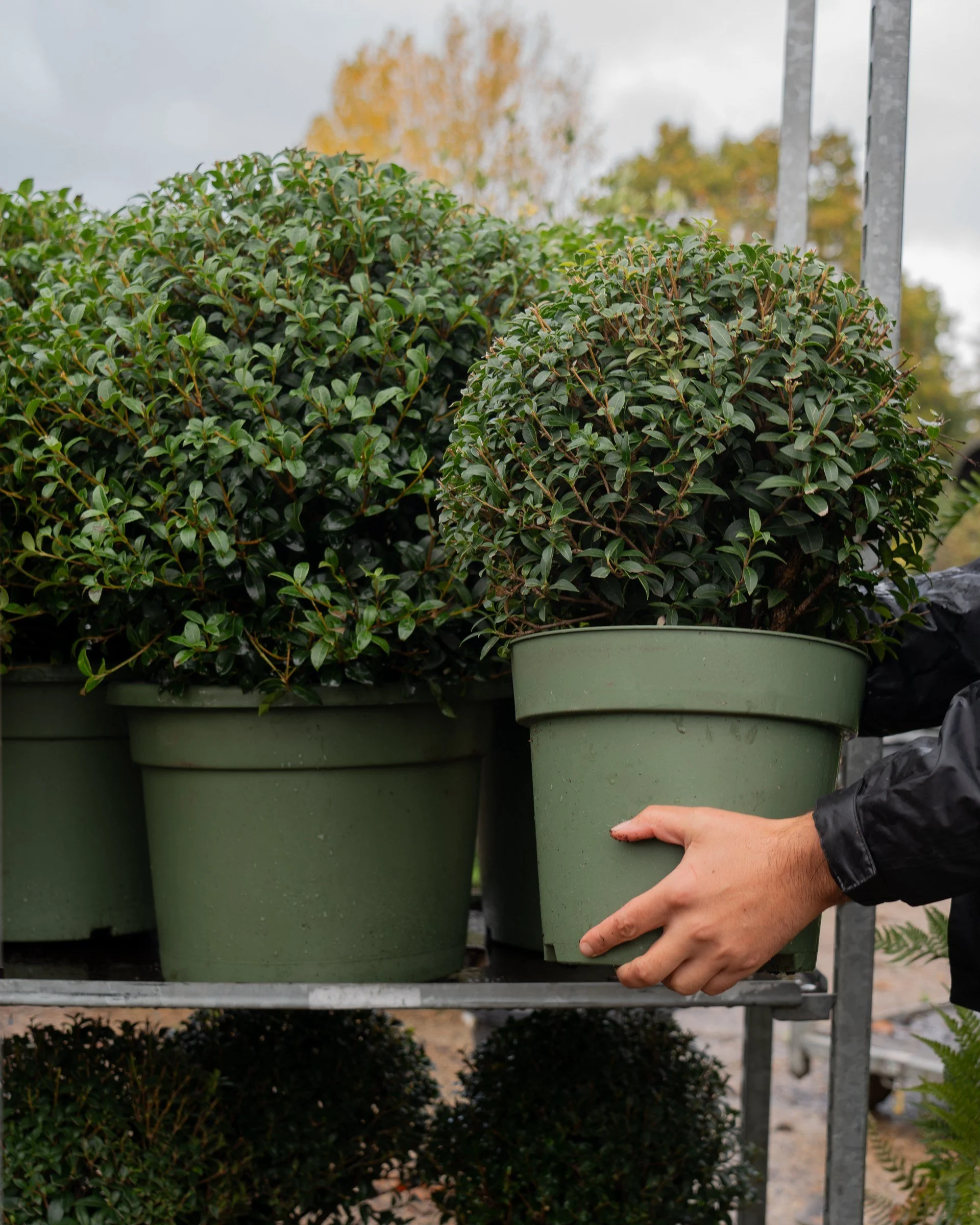
Form has never used peat in its own growing. Everything we pot is grown in peat-free compost, and our field-grown trees are lifted in soil.
We have also adopted the RHS No New Peat standard in full: we will not buy in any plant containing peat added after 31st December 2025, whoever grew it. A small amount of older container stock bought in before 2026 is being sold through.
Our peat-free policy
We have adopted the RHS No New Peat standard in full, rather than writing our own, so our position can be measured against an independent benchmark.
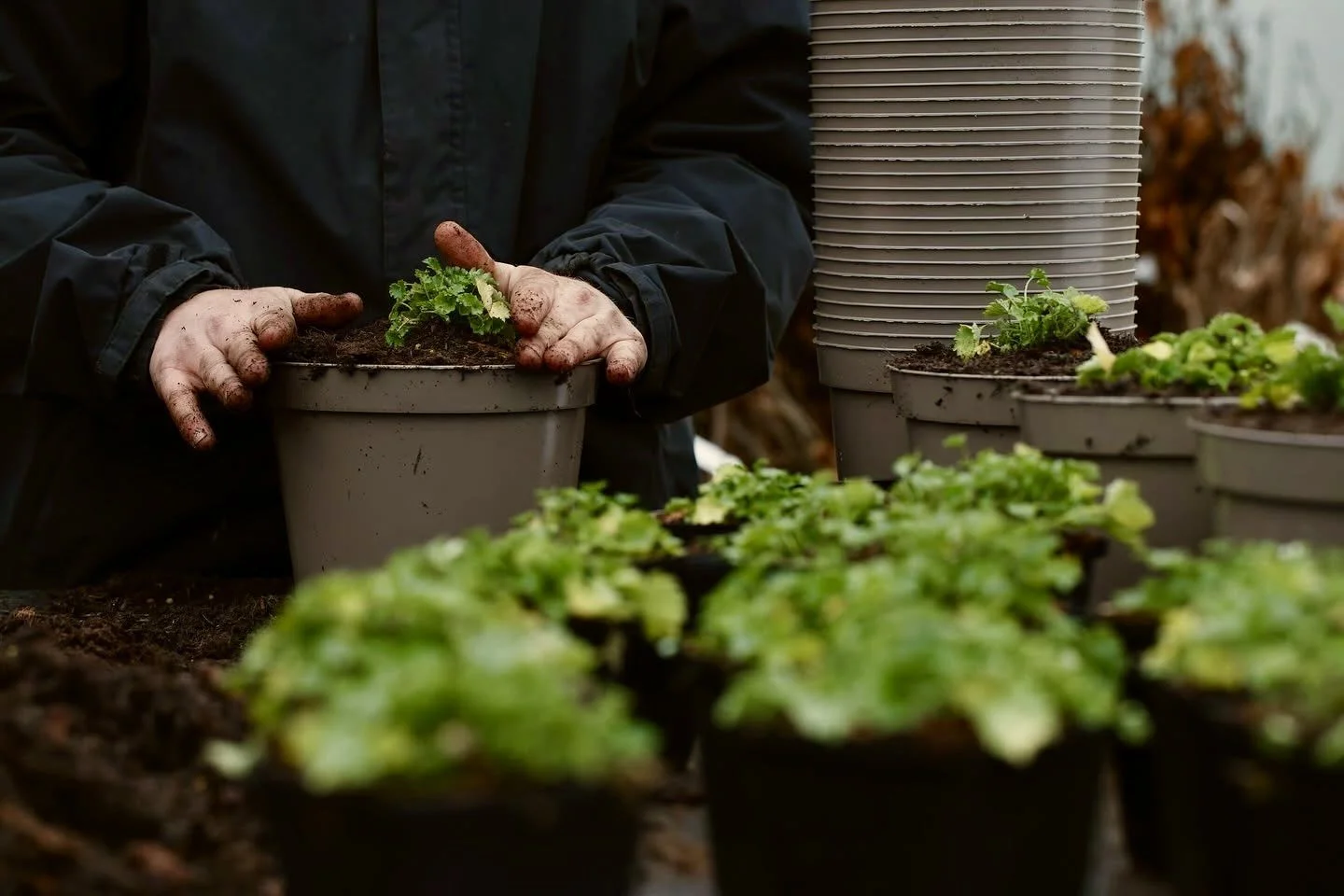
Everything we grow is peat free. Every plant grown and potted on at Form Plants is raised in peat-free media from the start, and always has been.
Nothing we supply contains new peat. No plant leaves Form Plants containing peat introduced into production after 31st December 2025, whether we grew it or bought it in. That includes a plant's life before it reaches us: any plug, liner or young plant we buy is peat free.
One standard for everyone. The same rule applies to trade customers, home gardeners and show work.
What it means for your order
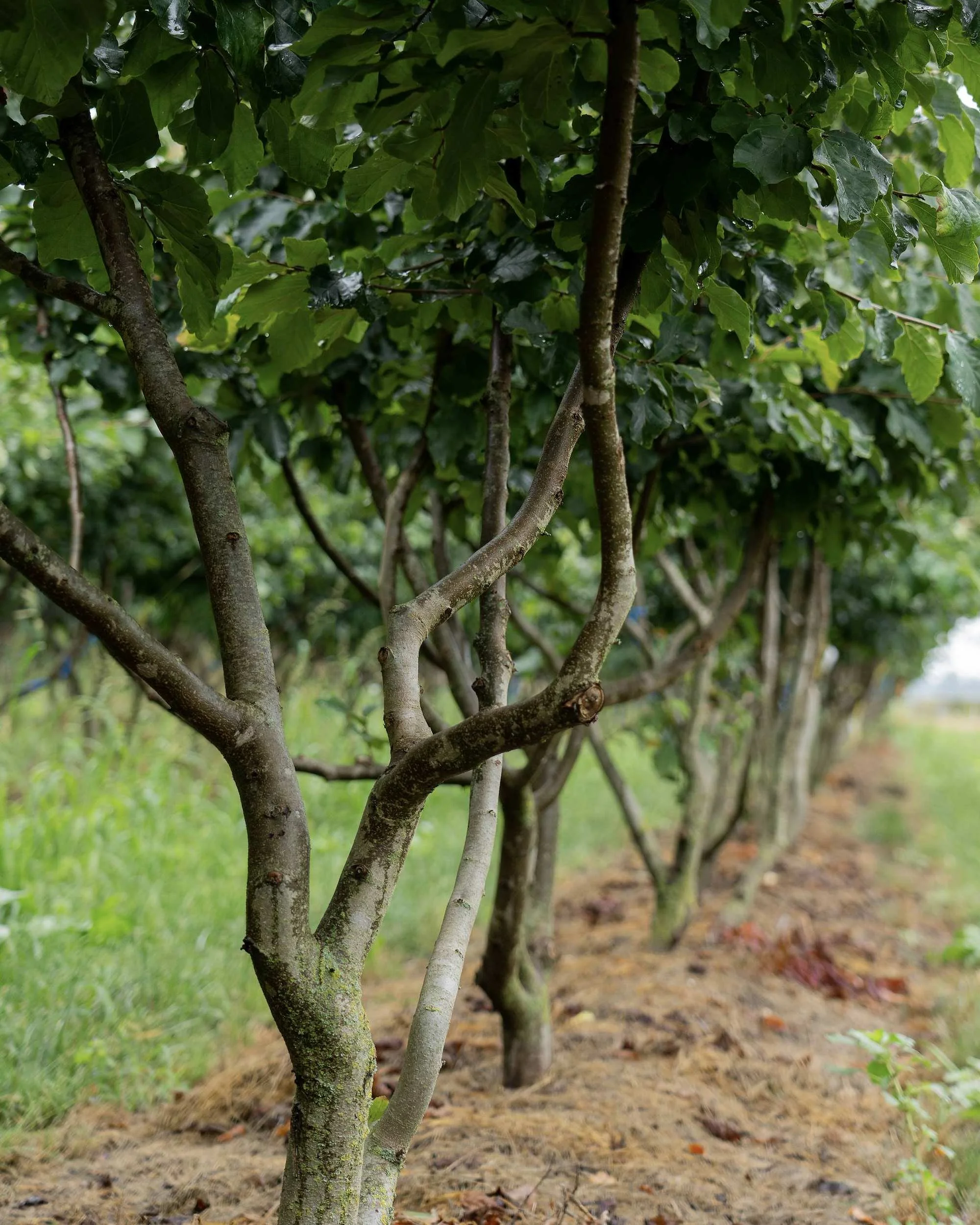
Field-grown and root-balled trees are lifted from the ground in soil, so they have never been grown in peat.
Plants we buy in are checked line by line, not supplier by supplier, and our suppliers confirm in writing that nothing they send us contains new peat.
A small number of older container plants, potted at other nurseries before 2026, are being sold through. They are marked on the nursery, and we will always tell you if a plant on your quote is one of them.
Every quotation from 1st September 2026 is made to this standard. If a plant cannot be supplied without new peat, we will suggest a peat-free alternative.
Choosing well
Right plant, right climate
We constantly review the trees and plants we grow and supply, so they suit hotter, drier summers and wetter winters. From summer 2026 we no longer grow or stock birch, which is struggling in south-east England, and we have extended our range of more resilient species. Read about climate-resilient trees.
Planting at the right time
We advise customers to avoid planting in the height of summer, when plants need far more water and are more likely to struggle. September to December and February to April are the best planting windows, and we would rather lose a sale than see a plant fail.
Water
Every drop counts
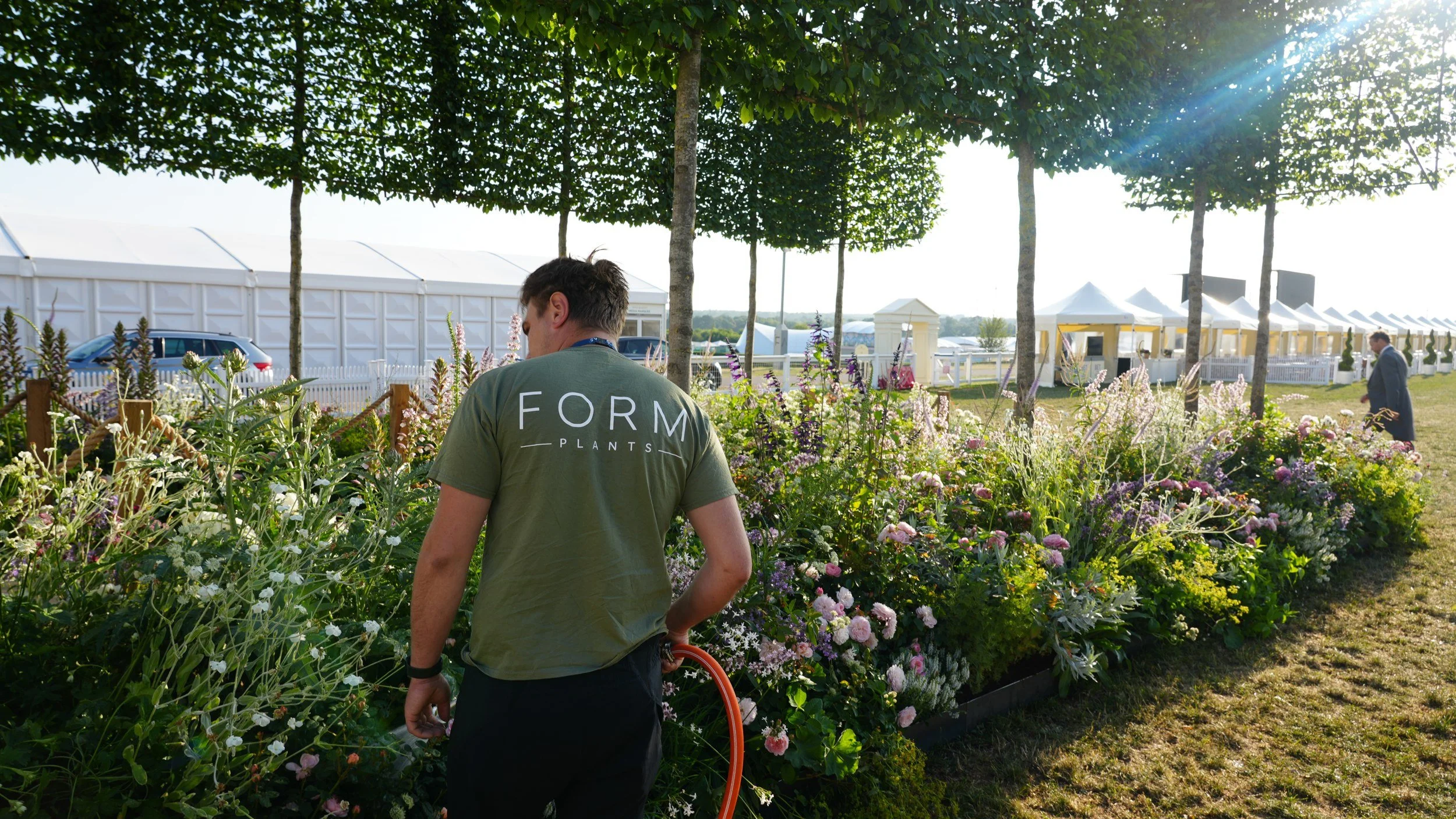
Water is precious, and growing plants uses a lot of it. We irrigate with drip and overhead systems overnight to cut evaporation, topping up by hand only in hot weather.
We do not yet harvest rainwater. We are applying for funding to install rainwater harvesting, and we are recording our water use so we can measure the difference it makes.
Pots, packaging and waste
Less waste, more reuse
Root-balled trees are wrapped in hessian with non-galvanised wire, which break down in the ground, and branches are tied in with biodegradable twine.
Smaller pots, 10 litres and below, are taupe pots made from recycled plastic that can go in most kerbside recycling collections.
Larger pots are sturdier and reused on the nursery, and we use reusable air-pruning pots wherever we can.
Green waste is kept on site for composting. Our own composting facility is not yet built and our waste records are new, so this is an area we are still developing.
Growing our own
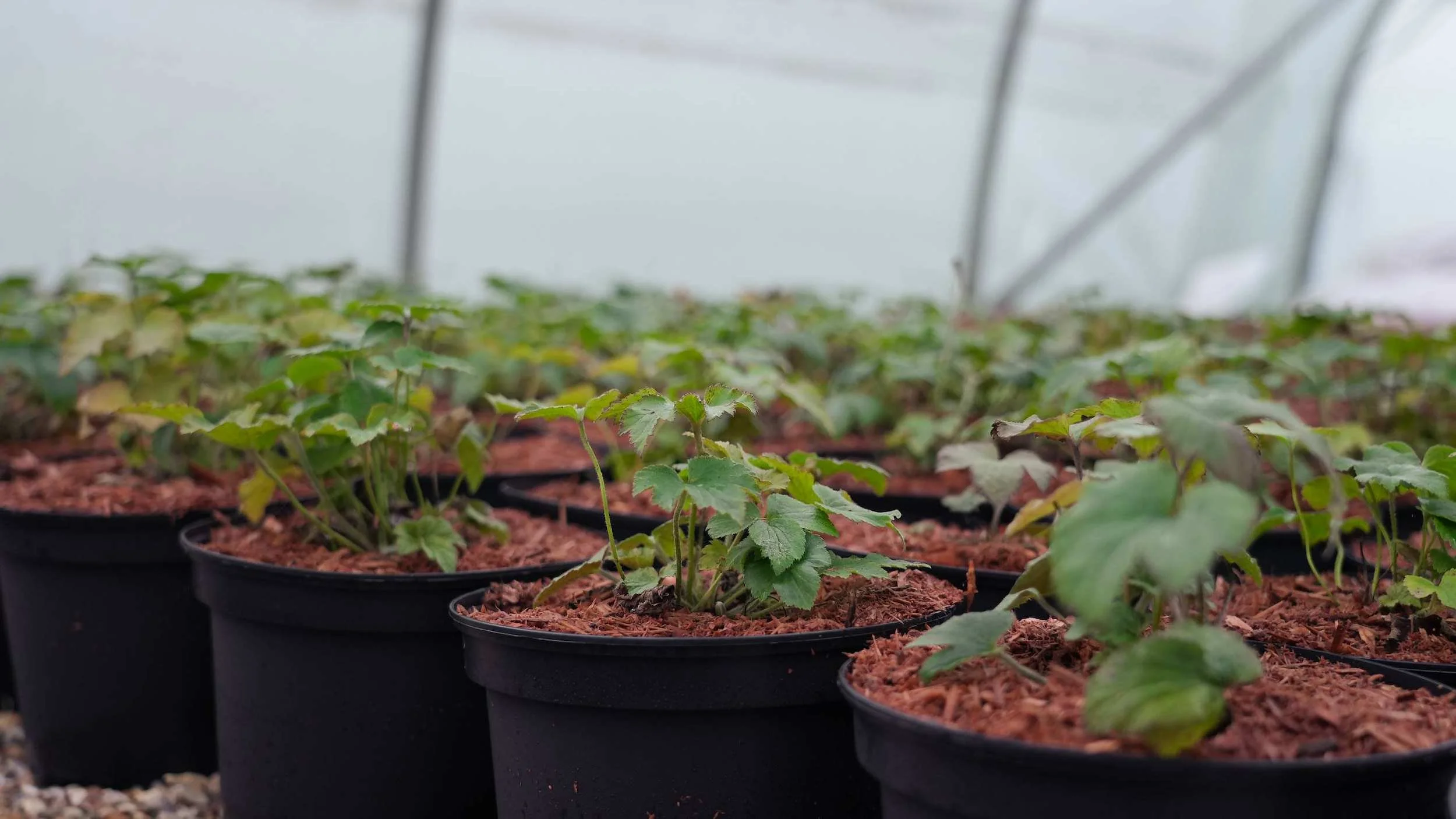
We are propagating more of our own plants using traditional techniques, so more of our stock starts life on our nursery, peat-free from the first root. We are working to remove our dependency on nurseries abroad by 2030, cutting long-distance lorry journeys and ferry crossings. Read more →
A nursery full of life
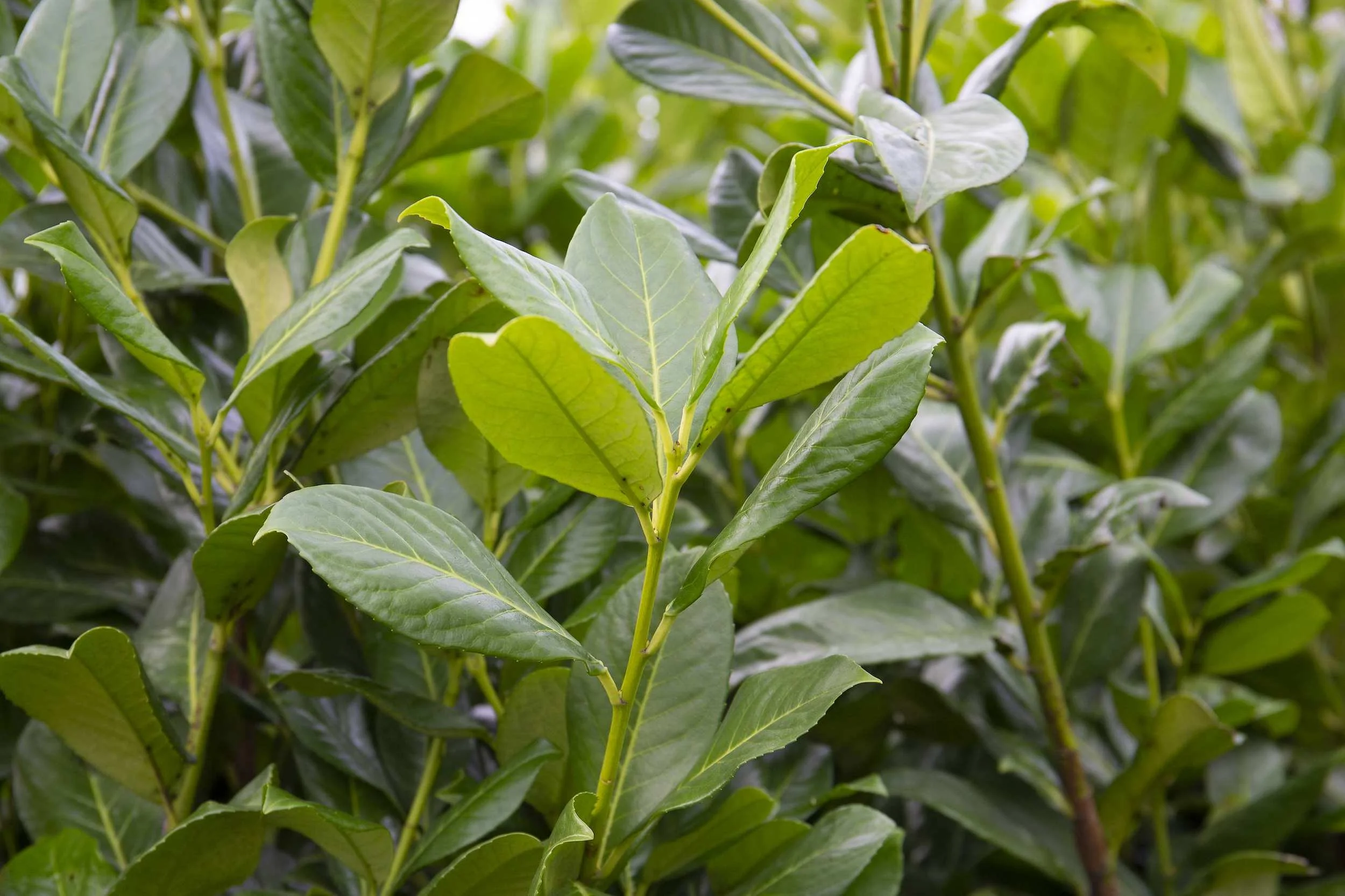
A nursery should be more than a car park for trees. We have built a demonstration garden at the heart of the nursery, planted hedging and left areas to go wild. We are planting 35 trees along the nursery boundary, more hedging as windbreaks and wildlife corridors, and turning the entrance into a permanent garden.
Energy, carbon and transport
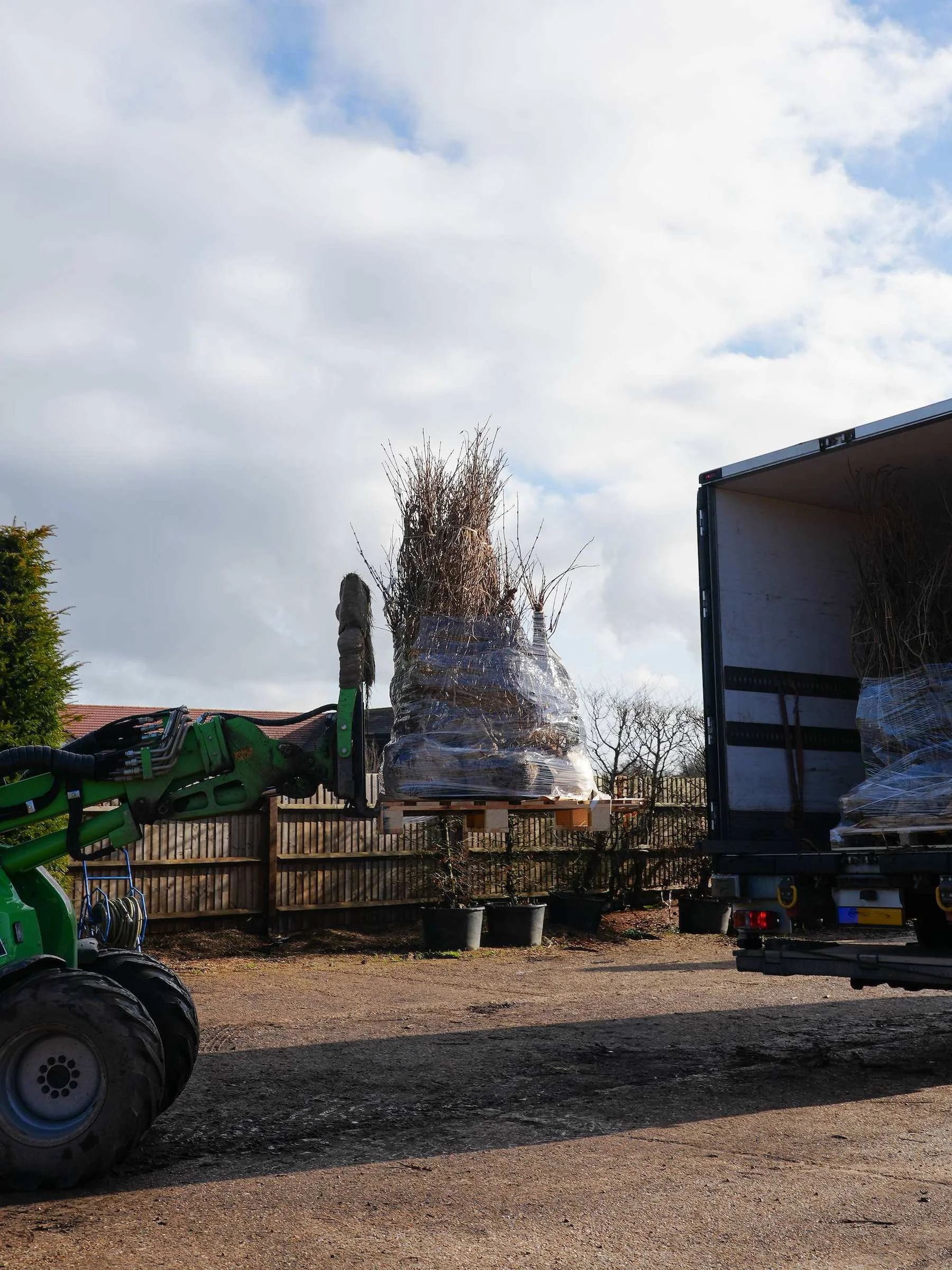
We deliver with our own vehicles and plan routes and loads to avoid wasted journeys. We are taking regular energy and water meter readings from autumn 2026, and calculating the first carbon footprint of our own operations over winter 2026, so we can set targets to reduce it. Most of our machinery is currently diesel, and this footprint will guide the switch to lower-carbon alternatives.
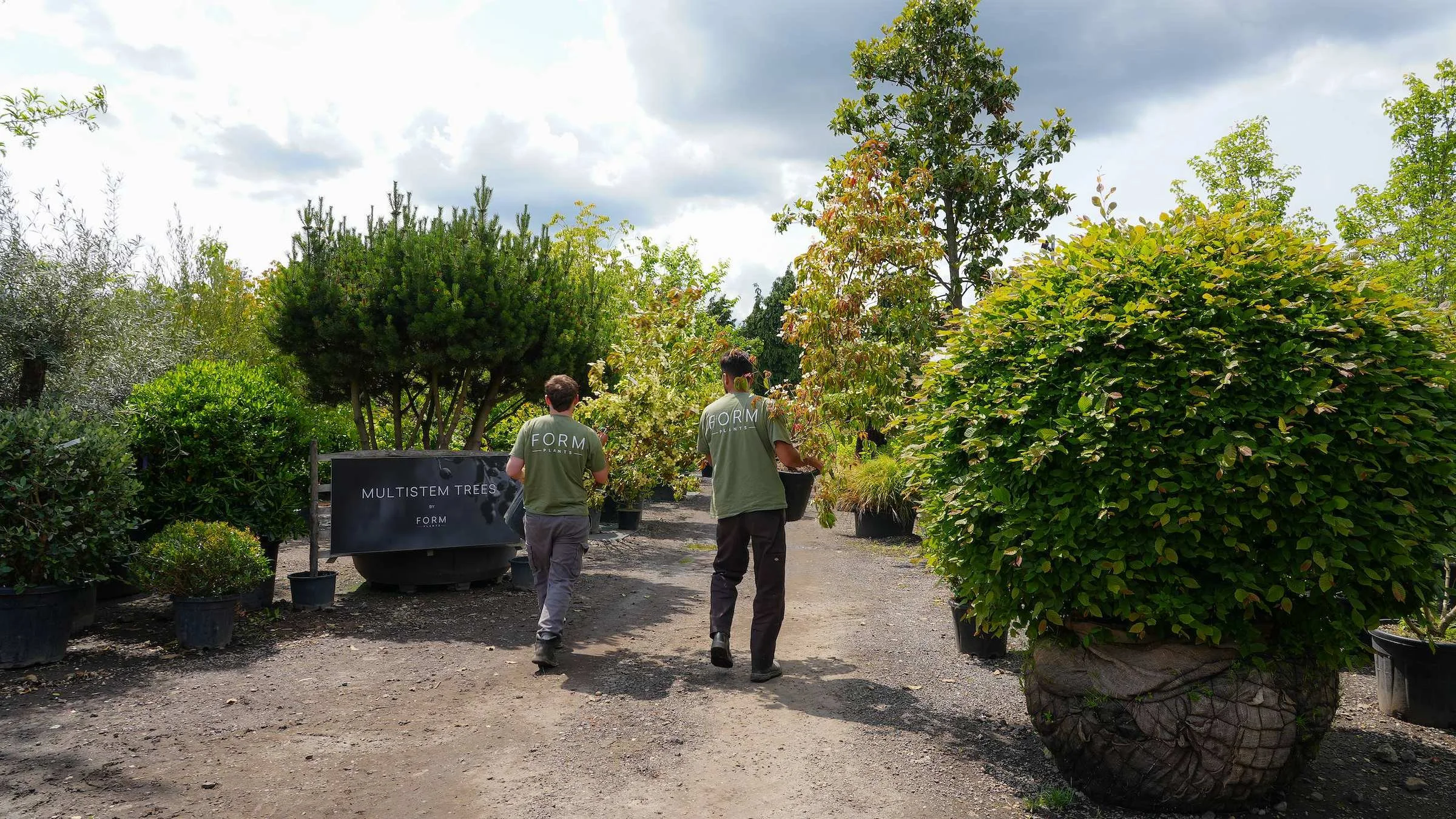
Our people
A sustainable business looks after its people. Our team is paid well above the National Living Wage, every nursery worker receives training, and we plan to launch an apprenticeship scheme by 2028 to bring new people into horticulture.
Where we are heading
Our commitments
| Commitment | Target |
|---|---|
| No new peat in any plant we supply | In place |
| Regular energy and water meter readings | From autumn 2026 |
| First carbon footprint of our own operations | Winter 2026 |
| Written supplier standards and pot disposal guidance | 2026 |
| Plant Healthy certification | Early 2027 |
| Rainwater harvesting | Funding being sought |
| Apprenticeship scheme | By 2028 |
| No dependency on nurseries abroad | By 2030 |
See also quality and plant health.
Questions about our approach?
We are happy to talk about how we grow, what we supply and how we can help your project be more sustainable.